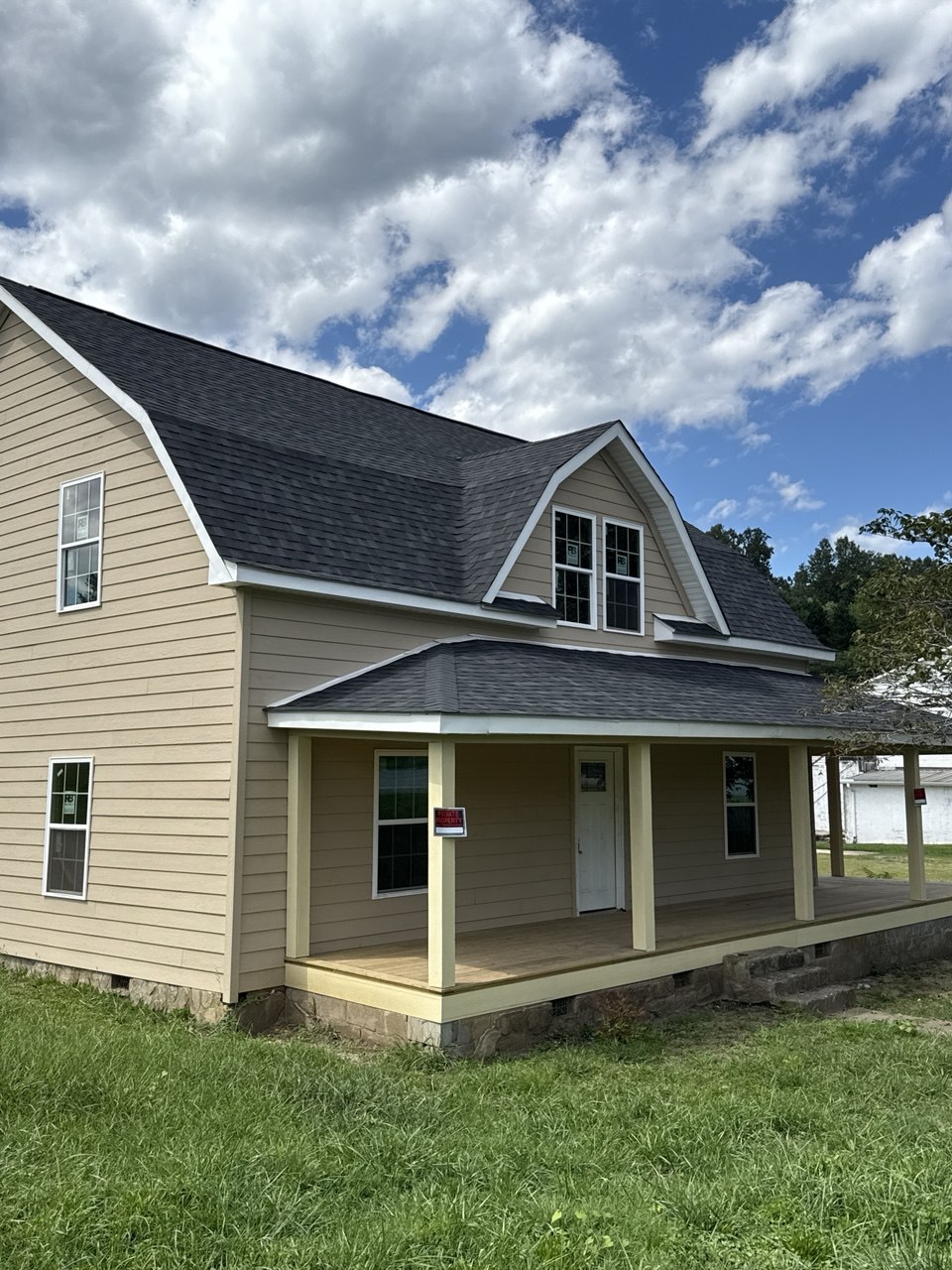
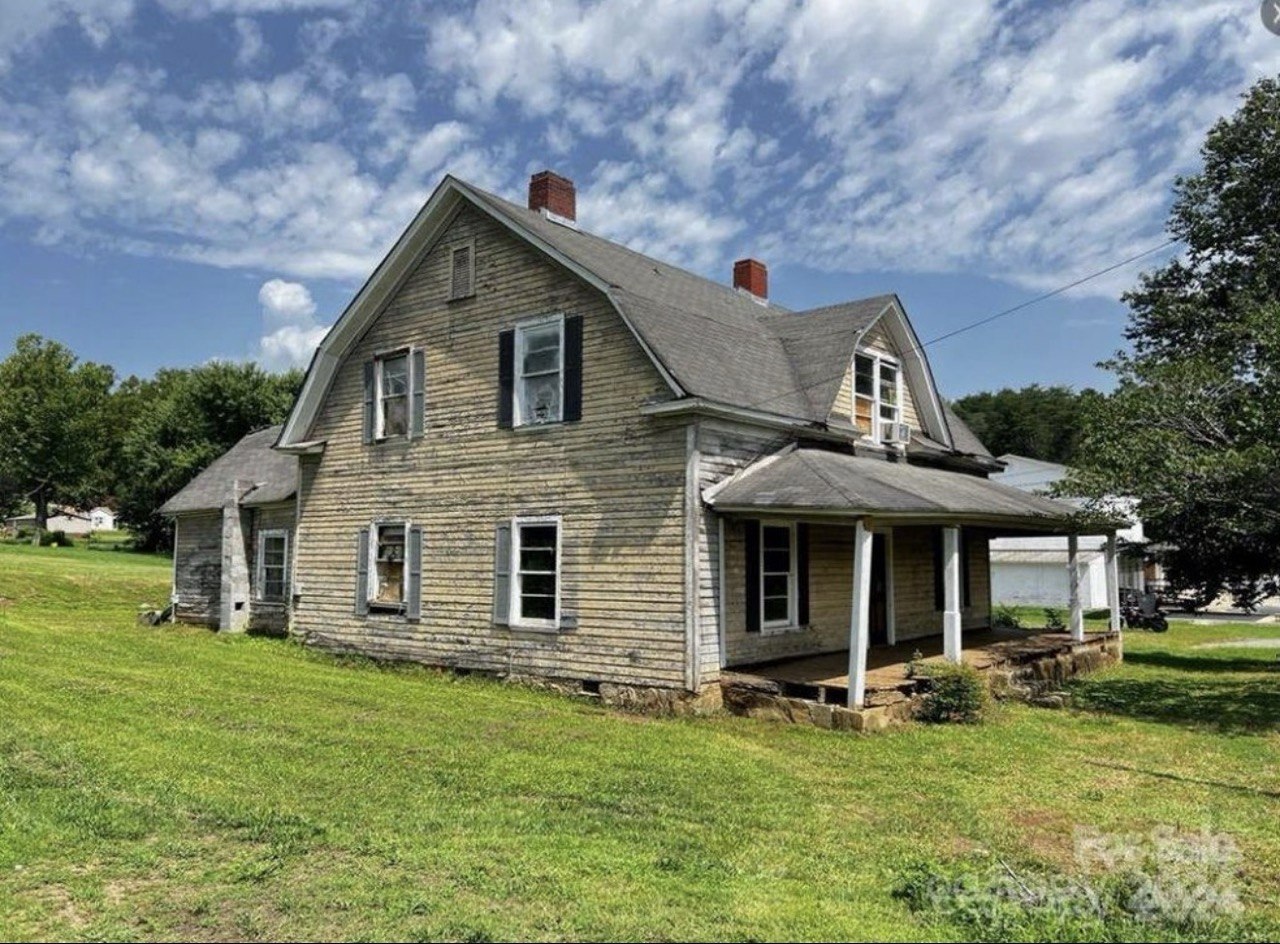
Before pricing a floodplain rehab in NC, check the substantial-improvement rules
Build a permit review packet around structure value, complete project costs and the local floodplain determination before locking a rehab budget.
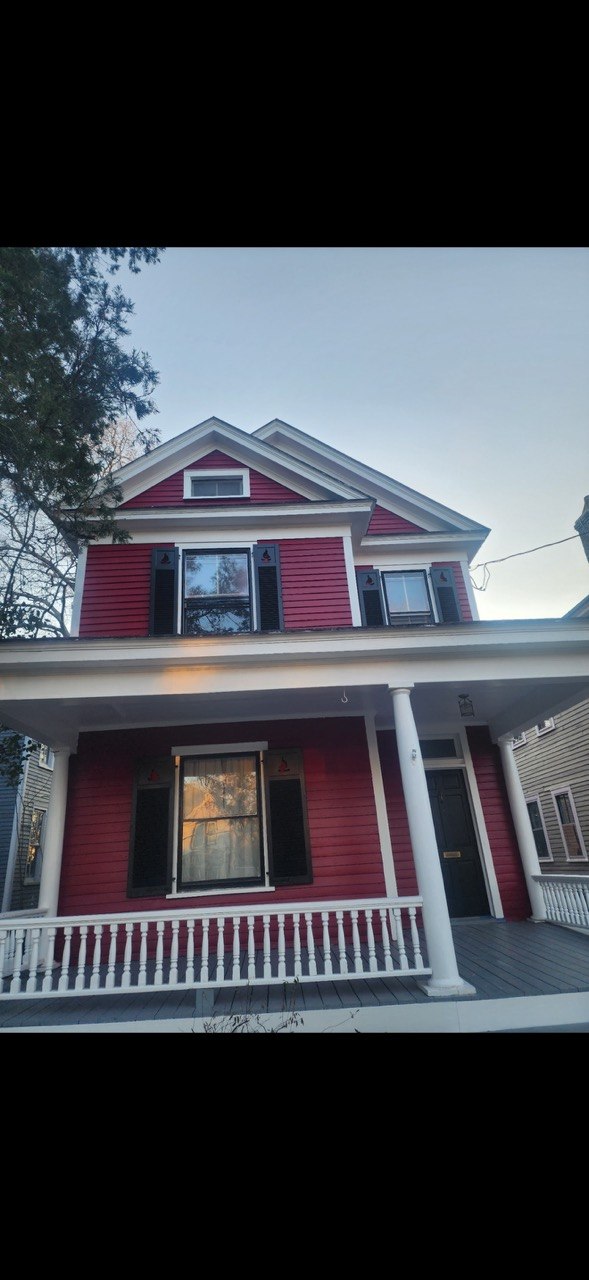
A floodplain rehab can look straightforward on a contractor’s scope and still face a very different decision at the permit counter. Replacing flooring, correcting old damage and adding living area may be one project from the local floodplain administrator’s perspective. If the work crosses a substantial-improvement threshold, floodplain compliance can change the design, cost and schedule. Find out before you price the deal as an ordinary rehab.
This guide is about construction budgeting and permits, not insurance coverage or a flood map’s prediction of future damage. Use the steps below to make a review packet the local official can actually evaluate.
1. Confirm which map and ordinance govern the building
Start with the parcel, building location and work area. A lot can intersect a mapped floodplain without every building or work area sitting in the same place. Use the state mapping resources as a starting point and ask the local floodplain administrator to confirm the effective map, applicable boundaries and ordinance for your project. Put the answer in the file alongside the dated map and site sketch.
- Show the footprint and any addition, grading, equipment relocation or other work that extends beyond it.
- Ask which approvals are separate from the building permit.
- Ask whether the local ordinance uses a cumulative review period or a more restrictive threshold; ask which prior improvements or repairs count.
- Request the cost worksheet and accepted building valuation methods before commissioning documents.
2. Use building value, not the purchase price
The federal definition in 44 CFR 59.1 generally treats an improvement as substantial when its cost reaches or exceeds 50% of the structure’s market value before construction starts. Rehabilitation, reconstruction and additions can all be included. The comparison is to the structure, not the value of the land and building together. The local authority applies the governing ordinance and determines the accepted values; your estimate is not an approval.
A contract price, after-repair value, tax assessment and replacement-cost insurance figure are different numbers. Do not select the most favorable one for the denominator. Ask what the local official accepts and whether a building-only appraisal or other documentation is needed. Use the same scope date and valuation basis in your internal worksheet and in the package shared for review.
3. Give the official a complete cost sheet
A signed contractor proposal is a good starting document, not always the entire review cost. FEMA’s desk reference discusses fair-market evaluation of owner or volunteer labor and donated materials. Identify owner-purchased items, excluded trades and any other work the owner plans to do separately. Ask the official which parts count and how to document them instead of assuming an item outside the general contractor’s contract is outside the review.
- Use one dated scope with existing conditions, repairs, proposed improvements and known exclusions.
- Show quantities, labor and materials clearly enough that the reviewer can trace the totals.
- List supplies or labor paid by others rather than omitting them.
- Ask how review costs and construction costs differ for items such as design fees, site work and specialty trades.
- Keep alternates and potential changes visible; confirm when revised scope must go back for review.
4. Keep damage and remodel decisions separate
Federal rules also define substantial damage using the cost to restore the structure to its pre-damage condition compared with the structure’s pre-damage value. Damage can come from causes other than flooding. The substantial-improvement definition includes substantially damaged structures regardless of how much repair the owner elects to perform. Do not use a smaller insurance check or a partial repair contract as evidence that the damage finding does not apply.
In an occupied rental or a long-vacant property, prepare a condition record before any authorized removals: dated photos, known cause and date of damage, inspection findings and an itemized restoration scope. Ask whether there is already a written damage determination, open permit or prior improvement record. Keep any proposed upgrade separate in the worksheet without assuming the reviewer will treat it as unrelated.
5. Plan the decision before committing dollars
Illustration only: an accepted building-only value of $160,000 would put the federal 50% benchmark at $80,000. If a preliminary cost sheet shows $76,000 and a later $6,000 addition counts, the revised $82,000 figure exceeds that benchmark. These are invented numbers solely to illustrate arithmetic, not a quote, valuation, approval or local threshold. A project below the benchmark can still need permits and must meet applicable requirements.
If the compliance scope is not known, carry two decision paths: the rehab you have scoped, and the project with any additional design and compliance work identified by the local authority. Price the latter once you have its requirements. Delay commitments that depend on an unresolved determination. Do not split scope into separate applications to assume it will escape review; ask the local administrator how related work is treated.
What to have before approving the rehab budget
- Parcel identification, a dated map and confirmation of the governing local rules.
- A documented building-only value method accepted by the local authority.
- An itemized scope with repair, improvement and owner-supplied work identified.
- Prior permit or damage records and a written review outcome where required.
- A scope-change checkpoint before orders or work that would affect the determination.
For a Southern Cities Construction planning discussion, bring the map, condition photos, draft scope and open questions for the floodplain administrator. An estimate can show you how the project costs are built up; only the responsible authority can determine the applicable permit and floodplain requirements.
Sources & further reading
Written by
Southern Cities Construction
Residential project guidance, permitting insight, and construction-side decision support across North Carolina.