Before an older-home rehab: a lead-renovation planning checklist for NC investors
Turn an older home’s renovation scope into a qualification, documentation and scheduling plan before disturbing painted surfaces.
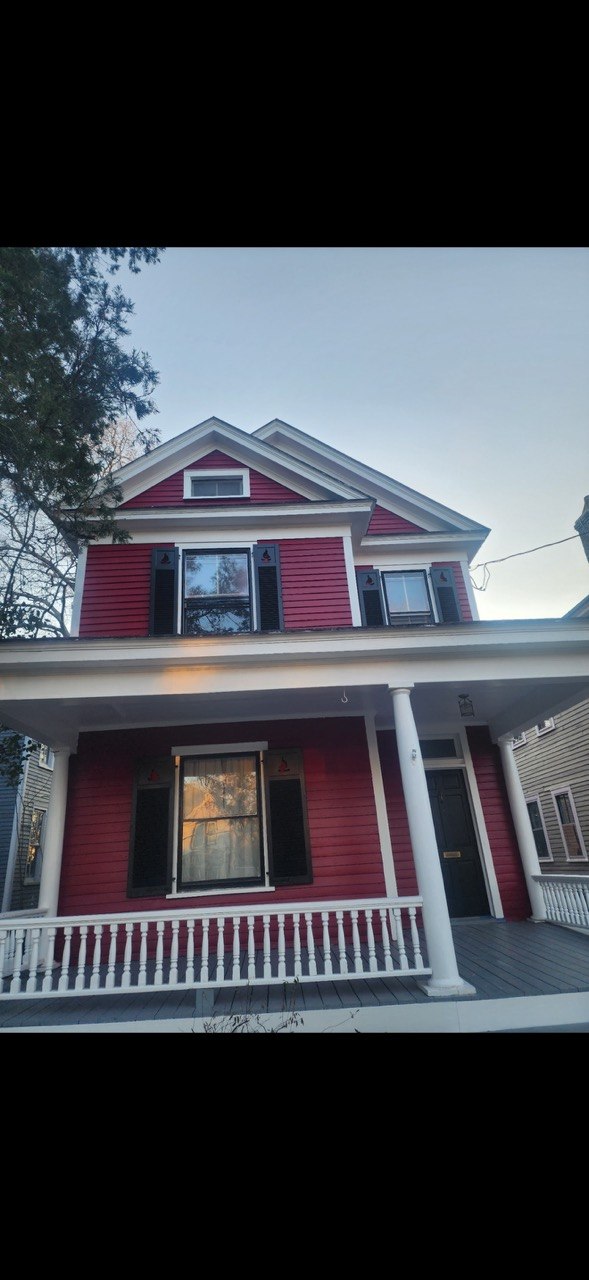
An older house can look like a straightforward cosmetic rehab until the work plan includes removing painted trim, replacing windows or opening walls. For an investor, the useful question is not simply whether lead appears somewhere in the purchase paperwork. It is whether the proposed work has been reviewed by the right professionals before the crew and schedule are committed.
Use this planning sequence before obtaining final bids for a pre-1978 North Carolina home. It is an owner-coordination framework, not instructions for testing, containment, demolition or cleanup. Keep potentially affected work on hold while the responsible qualified professional resolves its requirements.
1. Describe the disturbance, not just the finished room
A scope saying “refresh kitchen” does not explain which painted surfaces will be disturbed. List the actual work by room and component: windows, doors, trim, walls and other affected surfaces. Provide available building-age records and prior reports without treating missing paperwork as evidence that no lead is present.
EPA’s contractor guidance explains that the Renovation, Repair and Painting program reaches more than painting. Covered work can include remodeling, electrical and plumbing work, carpentry and window replacement. EPA also cautions that window replacement and demolition of painted surfaces do not qualify for the minor-repair exception merely because the affected area is small. Ask the qualified professional to determine applicability rather than estimating an exemption yourself.
2. Verify North Carolina qualifications before comparing bids
The NC Division of Public Health explains that applicable hired renovation work requires a North Carolina-certified lead renovation firm, a certified renovator and trained workers. Its guidance distinguishes a training course from completed state certification. The state provides separate searchable directories for firms and individuals; use the category appropriate to the planned work.
Make qualification review a named step in procurement. Match the legal business name on the proposal to the certification record and ask who will be responsible for the work. Save the verification date and supporting documents with the bid. A logo, an unrelated professional credential or a statement that someone once attended training should not be the whole review.
- Ask each bidder to identify the planned work and the assumptions behind its price.
- Record the responsible firm and named professional, with the appropriate state certification information.
- Ask what is included for occupant coordination, work-area controls, cleanup and documentation.
- Resolve exclusions before selecting a proposal rather than comparing unexplained bottom-line totals.
3. Separate a testing decision from a scheduling assumption
NC’s RRP guidance says paint testing is not mandatory under the RRP Rule, but the requirements apply when there is no documentation that the paint is not lead-based. EPA says optional testing before renovation must involve the appropriate qualified professional and the surfaces affected by the work. A seller’s lack of knowledge is not a project-specific test result.
Ask the professional to explain which existing records can support the proposed scope and what additional review is appropriate. Keep report locations tied to the work list. If the plan expands to a different room or component, revisit the decision rather than assuming the original conclusion covers everything in the house.
For example, an illustrative rehab starts with cabinet replacement but later adds a window replacement. That change deserves a review of both the scope and its lead-related requirements before it is added to the crew’s day. This is a planning example, not a statement that any particular property contains lead.
4. Put coordination responsibilities on the calendar
Build a short responsibility sheet with the owner, renovation firm, property manager and other affected trades. Identify who communicates with occupants, who controls access arrangements, what must happen before another trade enters and which documentation closes the work package. Have the qualified firm define the technical requirements; the owner’s job is to make sure assignments and dependencies are not missing.
NC’s homeowner FAQ describes pre-renovation information duties, including providing the Renovate Right pamphlet, and written reporting of certain testing results before work begins. Ask the firm to identify and document the obligations applying to your property and occupancy. Do not assume an empty property or a compressed resale schedule removes the need for compliance review.
5. Ask what completion means before the final handoff
Request a written explanation of the required completion records and any verification or sampling applicable to the actual project. Do not substitute a clean-looking photograph for the professional’s process, or casually label every cleanup step a “clearance.” Ask who is qualified to perform each required task and what evidence will be delivered.
North Carolina distinguishes renovation from lead abatement and requires separate certification for abatement work. If a proposal changes from renovation to a hazard-removal project, have the qualified professional explain the change in scope and credentials. Do not let an informal label decide the compliance pathway.
Your pre-start decision sheet
- Document building age, occupancy and the surfaces the proposed work will disturb.
- Verify the applicable NC firm and individual qualifications.
- Record the professional’s determination and the evidence it relies on.
- Reconcile bid assumptions, exclusions and coordination responsibilities.
- Agree on the start conditions and completion documents before mobilization.
Bring this sheet and the proposed scope to a construction-planning conversation. Southern Cities Construction can discuss how the coordination fits the wider rehab plan; the appropriate certified lead professionals must determine and perform the regulated work. No certification or lead-service capability is implied by this article.
Sources & further reading
Written by
Southern Cities Construction
Residential project guidance, permitting insight, and construction-side decision support across North Carolina.