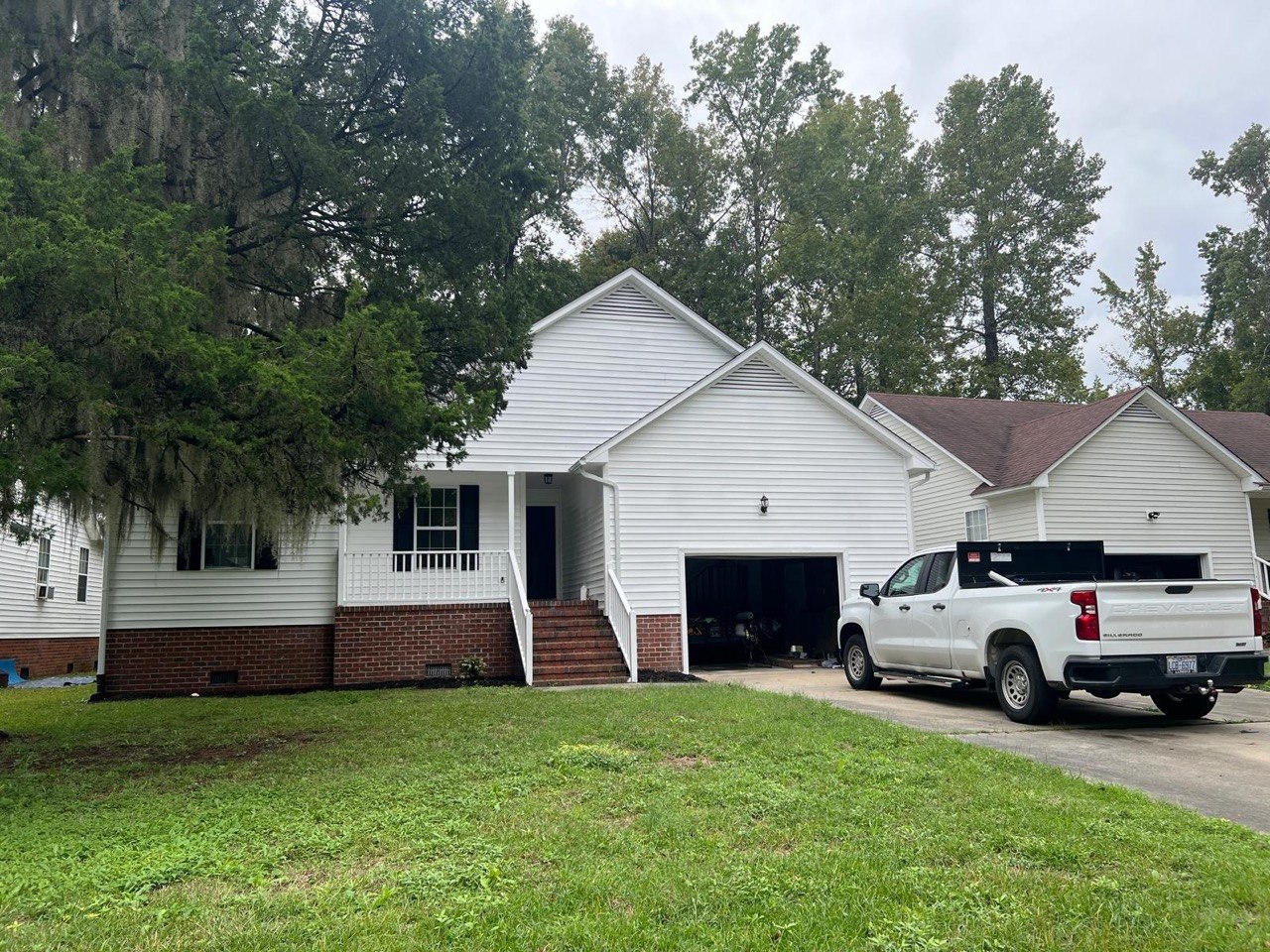
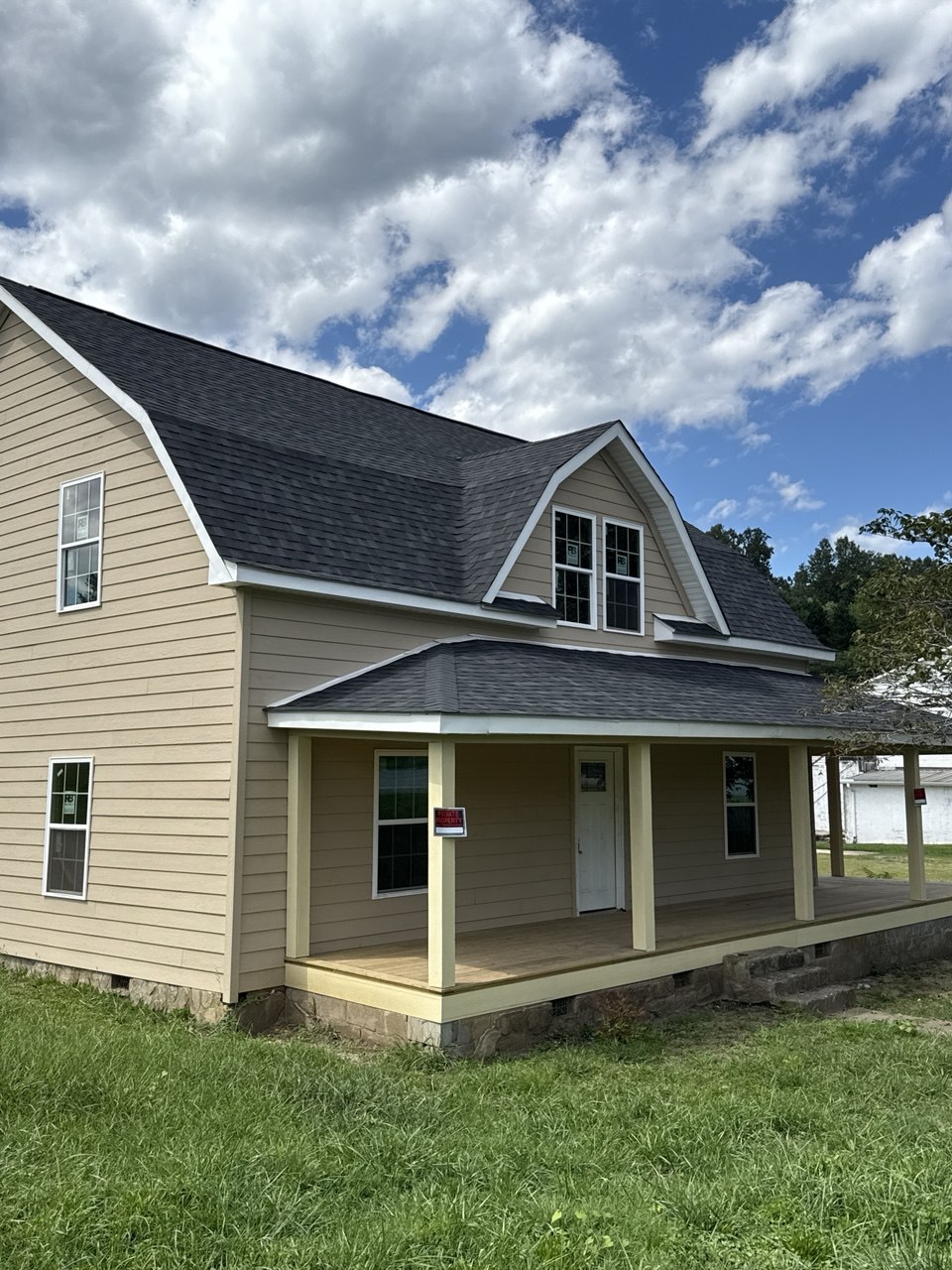
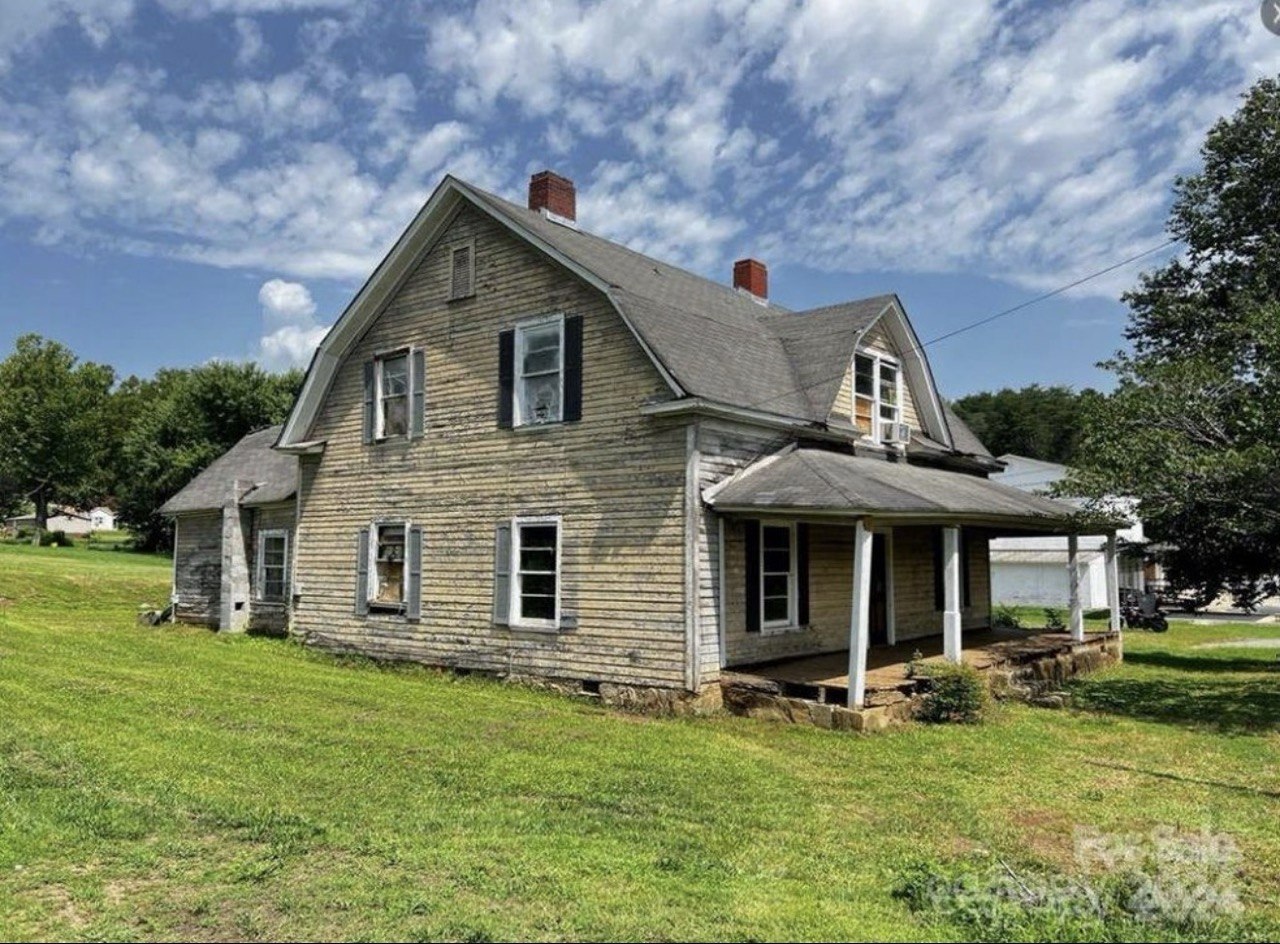
Buying an older NC house to rehab? Check the sewer line before closing
What to ask for in a sewer-camera report, how to check who owns the line, and what a repair quote should include before you lock the rehab budget.
The toilets flush during the walkthrough. The seller says the drains were cleaned last year. Neither tells you whether the buried pipe from the house to the public sewer main is in good shape. If the repair could mean cutting into a driveway or working near the street, that uncertainty belongs in the purchase decision, not just the punch list.
This checklist is for an existing house on public sewer. If you cannot confirm the house is connected, resolve that with the utility first. A house on septic needs a different evaluation.
1. Find out where the owner’s responsibility ends
The sewer lateral is the pipe that carries wastewater from the building to the main. Ask the utility to confirm the connection, who maintains which section, and what records or old repair details are available for the address. Ask the seller for sewer invoices, video and any history of repeated cleaning or backups. Do not assume every pipe under a sidewalk or street belongs to the utility.
Raleigh Water says the property owner is responsible for correcting a blockage in the service line between the house and the city’s main. Charlotte-Mecklenburg’s stormwater program manual distinguishes repairs to the private system from clearing blockages in a Charlotte Water main. Ask your own utility to identify the handoff for this property, especially if the line serves more than one building or crosses another lot. If access across a neighboring parcel is involved, have your closing team review any recorded rights before you rely on them.
2. Ask the plumber for a report you can price from
With the seller’s permission, ask a plumber what it would take to inspect the lateral with a camera. The U.S. Environmental Protection Agency describes lateral camera inspections as a way to document visible conditions, including changes in pipe material and sags. The view is limited to what the camera can reach and see. Ask for the video and a short written summary you can share with bidders.
- Where did the camera enter, which direction did it travel, and what section was actually visible?
- Did it reach the connection at the main? If not, where did it stop and why?
- For each visible concern, what does the plumber see and how far is it from the access point? Can the plumber locate it from the surface if needed for pricing?
- Is the recommendation to monitor, clear and reinspect, repair a section, or price a larger replacement? What finding supports it?
3. Check what the repair quote puts back
Two proposals can name the same repair but cover different work. Give each bidder the same footage, location notes and assumptions. Ask them to identify the exact length and endpoints of their proposed work, and to separate the pipe work from the cost of getting to it and restoring the site afterward.
- Access and approvals: Who handles any required permits, utility coordination, inspection scheduling or right-of-way approvals?
- Site restoration: Who repairs the driveway, sidewalk, landscaping or floor that has to come out? What level of restoration is included?
- Occupancy and schedule: When will fixtures be out of service, and can the house remain occupied under the proposed plan?
- Completion: What test, post-work footage, inspection sign-off or written record will you receive, as applicable?
- Unknown conditions: What is excluded, and what discovery would change the scope, price or schedule?
4. Carry unresolved work as its own budget item
For example, suppose a plumber finds a damaged section before a driveway but cannot see the pipe beyond it. A quote to repair that section does not cover a possible problem under the driveway. Ask for the cost and timing of additional diagnosis, and get a separately priced scenario for repair under the driveway if the inspection cannot be completed before closing. Compare the deal with both scenarios instead of treating the lower quote as the full cost.
The handoff for a rehab budget is simple: the utility’s ownership explanation, the plumber’s footage and written findings, a repair proposal that includes access and restoration, and a clear list of what remains unknown. If the seller cannot provide access in time, decide whether the deal still works with that uncertainty.
Sources & further reading
Written by
Southern Cities Construction
Residential project guidance, permitting insight, and construction-side decision support across North Carolina.